Best Rember Alternatives in 2026
What is Rember?
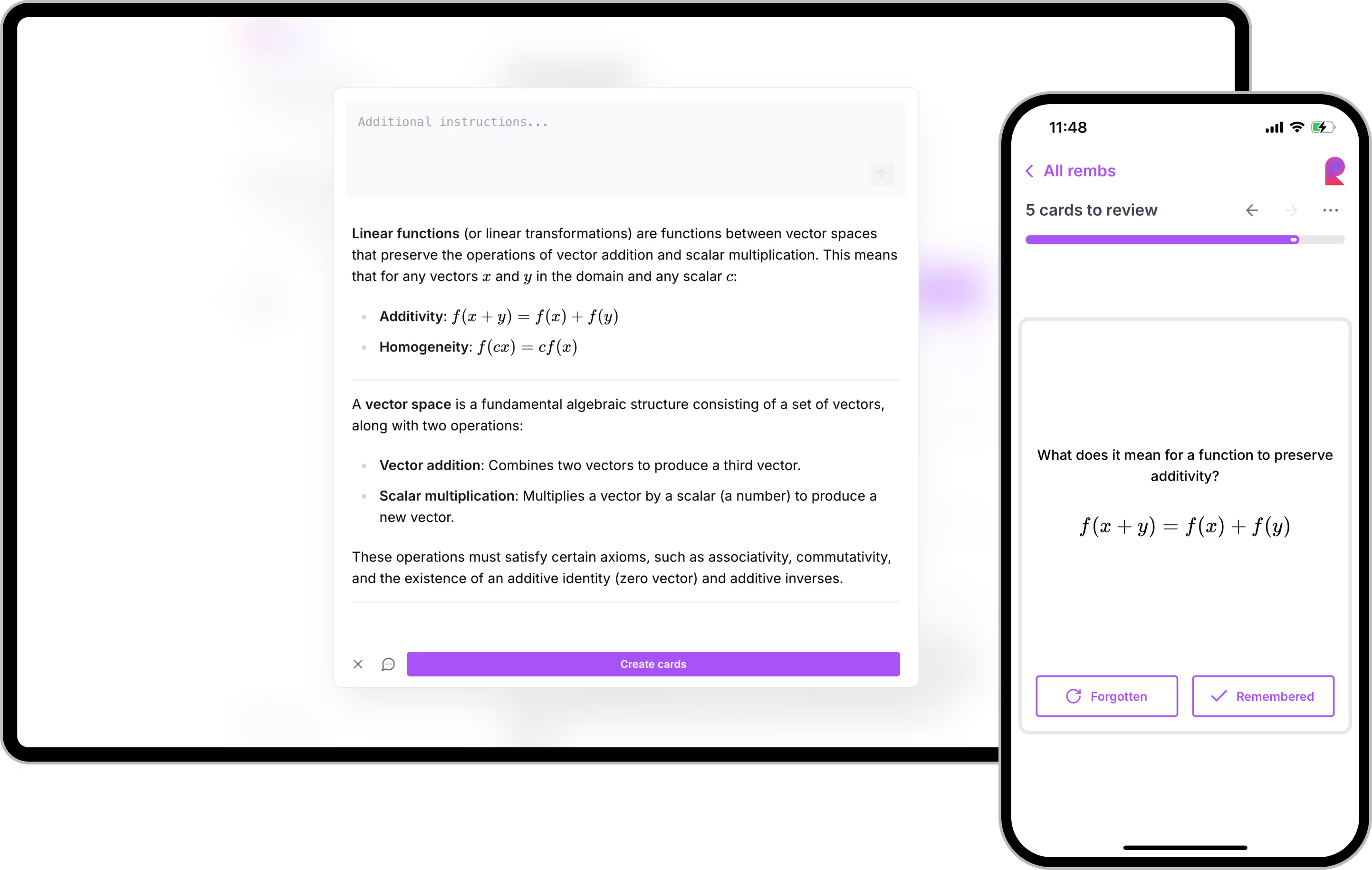
https://www.rember.com/Rember is built for serious learners who care deeply about flashcard quality, not just quantity. The central insight behind Rember is that most AI flashcard tools generate mediocre cards — vague, compound, or yes/no questions that produce shallow recognition rather than durable understanding. Rember implements the best practices developed by the spaced repetition community over thirty years: cards are made atomic so each tests exactly one idea, written to be unambiguous so there is only one correct answer, and designed to test deep understanding rather than surface-level pattern matching. The AI canvas workflow is the core interface: users drop in any input source — a concept typed in natural language like "linear algebra basics," a reference to a specific passage like "sample-average method in Sutton Barto RL book," pasted text from anywhere, a URL, a YouTube video, or a PDF — and give instructions in natural language about what they want to remember and how. The AI generates a set of well-formed cards that the user can review, edit, and approve before committing to their deck. An MCP server integration means users can type "add to Rember" directly in Claude or ChatGPT conversations to instantly capture AI chat insights as flashcards without leaving the conversation. For users not ready to leave Anki, an Anki add-on allows cards generated in Rember to be reviewed in Anki, with full import and export support including review schedule data. The review engine is powered by FSRS, a modern spaced repetition algorithm that outperforms the classic SM2, with the ability to pause, snooze, or undo reviews for full control over the schedule. Decks organize cards into reviewable groups, and custom instructions allow controlling how the AI phrases, structures, and formats cards to match personal learning preferences. Rember works offline, syncs across desktop and mobile with no spinners or delay, and requires no configuration to start using with sensible defaults out of the box. Currently in early access with a waitlist.
Why look for Rember alternatives?
While Rember is a solid tool, it may not fit everyone's needs — different features, better pricing, stronger privacy, or broader platform support can all be reasons to switch. Here are the best alternatives in 2026.
Best Rember Alternatives
- 1
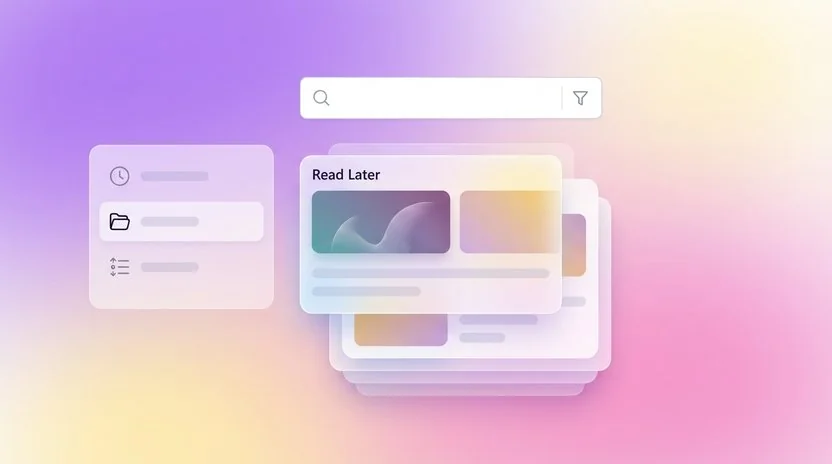
Linkflare is the universal bookmark manager that goes beyond saving links — it helps you consume, plan, and act on your saved content with smart metadata for books, movies, recipes, and more. Features include trip planning with map views, meal planning, movie night voting, shared wishlists, distraction-free reading, and hierarchical tags. Available on every platform with browser extensions, mobile apps, and a PWA for desktop.
Try Linkflare Free - 2
Anki
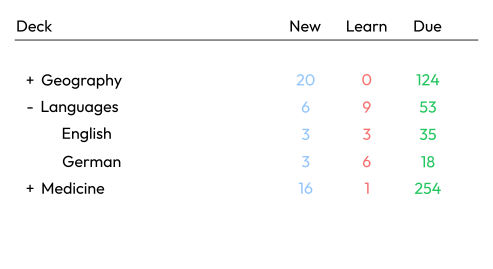
Anki is the gold-standard open-source flashcard program used by millions of medical students, language learners, and knowledge workers, using a proven spaced repetition algorithm to ensure you remember everything you study. It handles decks of 100,000+ cards effortlessly and supports audio, images, videos, and scientific markup within cards. Desktop apps are free for Windows, Mac, and Linux, with free AnkiDroid on Android and paid AnkiMobile on iOS.
Visit Anki - 3
Logseq
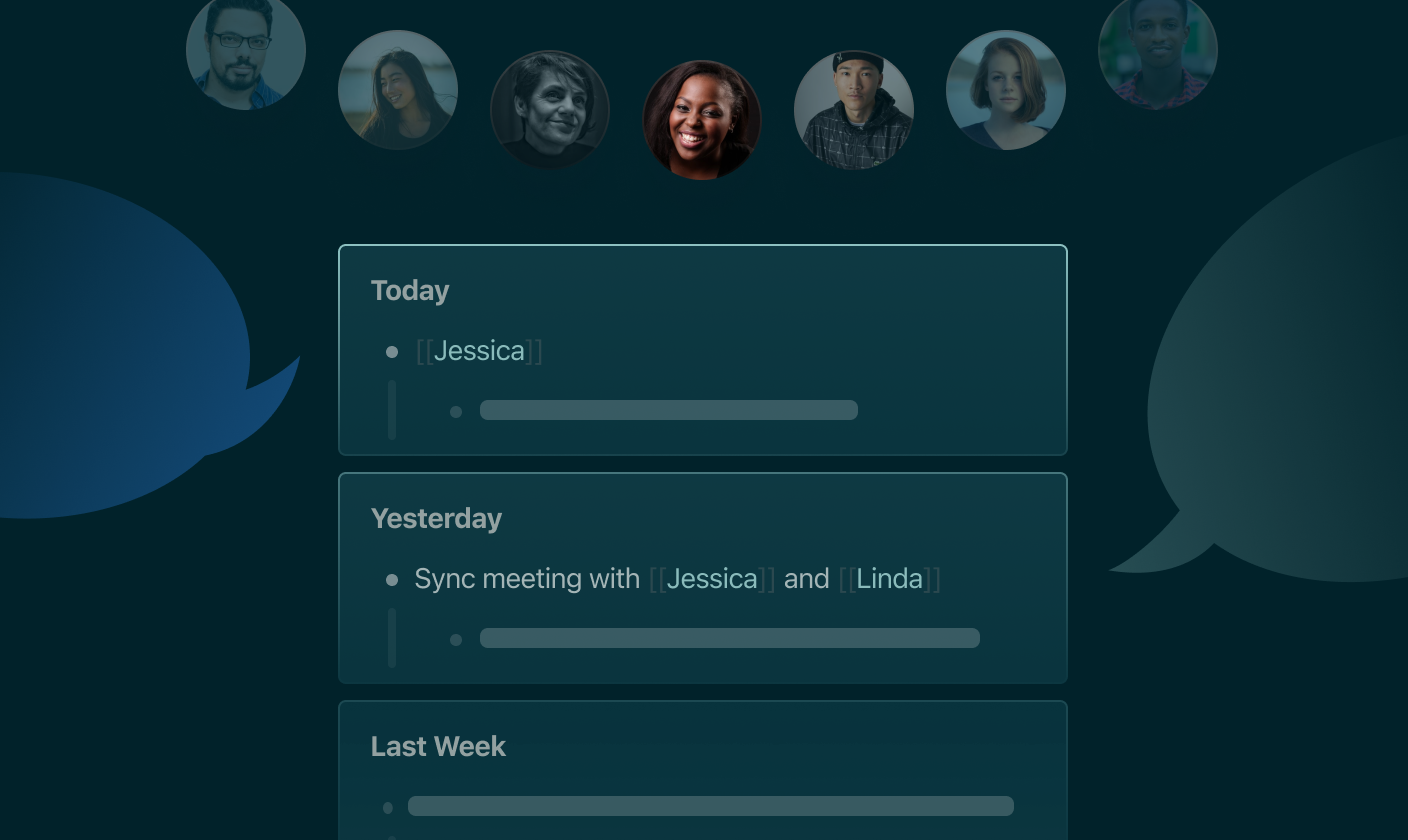
Logseq is a free, open-source, privacy-first knowledge management app that stores all your notes as local Markdown files you fully own, with an outliner editor, bidirectional linking, built-in flashcards with spaced repetition, PDF annotation, task management, and a whiteboard canvas. Over 150 plugins and 30 themes make it deeply customizable, and Logseq Sync provides end-to-end encrypted syncing across devices. Your data lives on your device forever — no subscription, no lock-in.
Visit Logseq - 4
NeuraCache
NeuraCache is a long-term memory assistant that bridges your existing note-taking apps and spaced repetition, syncing notes from Evernote, Notion, Obsidian, Roam Research, OneNote, Bear, and more into a daily review queue powered by the SM2 algorithm. There is no need to switch apps or rebuild your library — NeuraCache reads your existing notes and turns highlighted content into flashcards, resurfacing them at the optimal moment to lock knowledge into long-term memory. Fully offline, private, and requiring no sign-up, it runs on iOS and Android.
Visit NeuraCache - 5
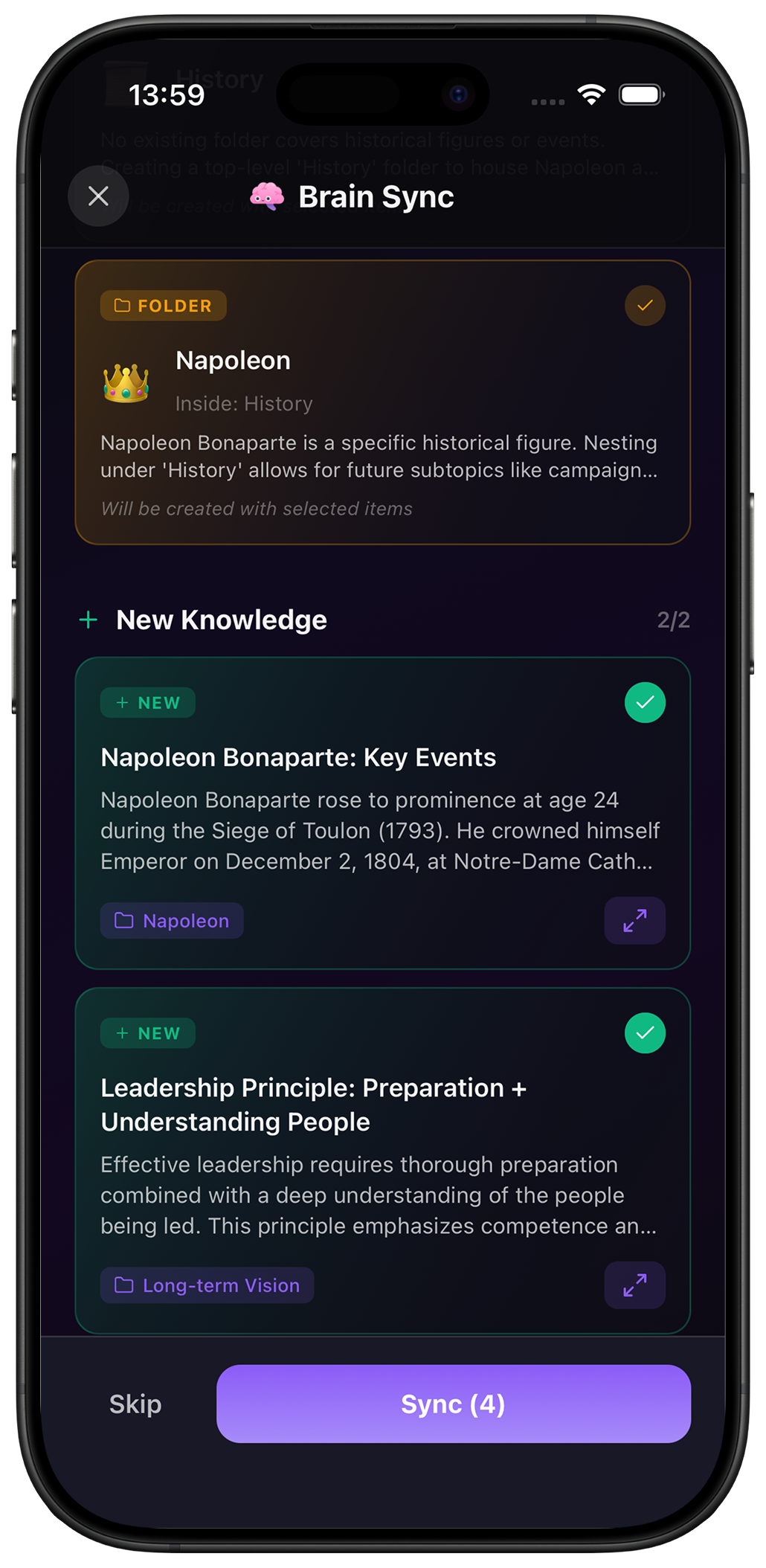
Prismo
Prismo is a mobile app for iOS and Android that turns your daily journal entries into lasting, searchable knowledge through AI-powered Brain Sync and spaced repetition quizzes. Write what you learn from books, podcasts, and conversations in your own words — or record via voice — and Prismo automatically extracts key insights, organizes them into smart folders, and quizzes you at the scientifically optimal moment. An interactive knowledge graph visualizes how all your ideas connect.
Visit Prismo - 6

Quizlet
Quizlet is the world's most popular study app, with over 300 million learners using its flashcard sets, adaptive Learn mode, practice tests, and games to master any subject. AI tools can instantly generate study materials from uploaded slides, videos, and notes, and a massive community library of 600+ million flashcard sets covers virtually every course and certification. Teachers use Quizlet Live and classroom games to create engaging collaborative learning experiences.
Visit Quizlet - 7
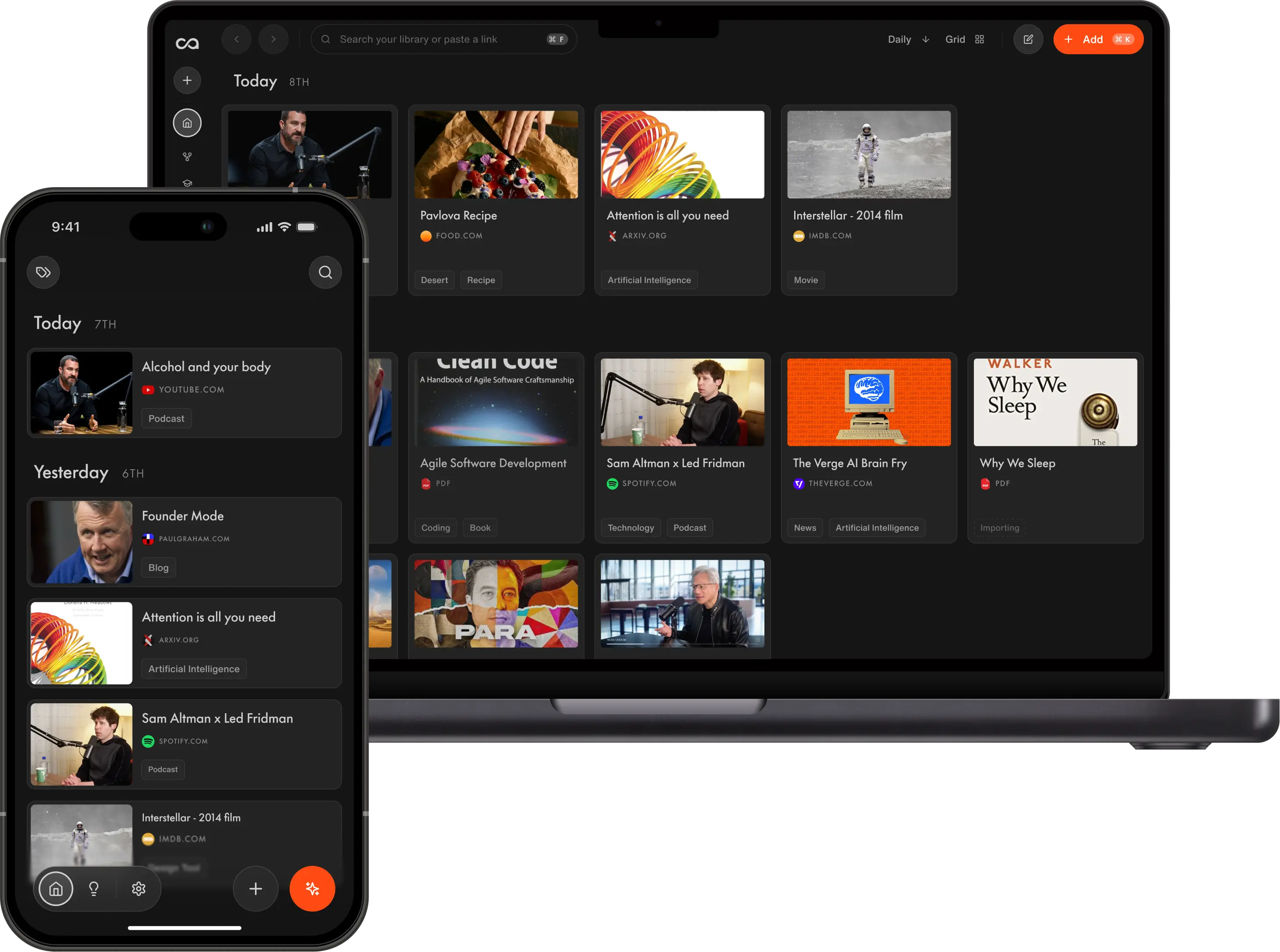
Recall
Recall is an AI knowledge base trusted by 500,000+ professionals that saves, summarizes, and connects everything you consume — articles, YouTube videos, podcasts, PDFs, TikToks, Wikipedia, and notes — into a personal AI encyclopedia. It automatically organizes content with smart tags, generates instant summaries and spaced repetition quizzes, and lets you chat with your entire knowledge base using the AI model of your choice. Available as a browser extension, web app, and mobile app with a free tier.
Visit Recall - 8
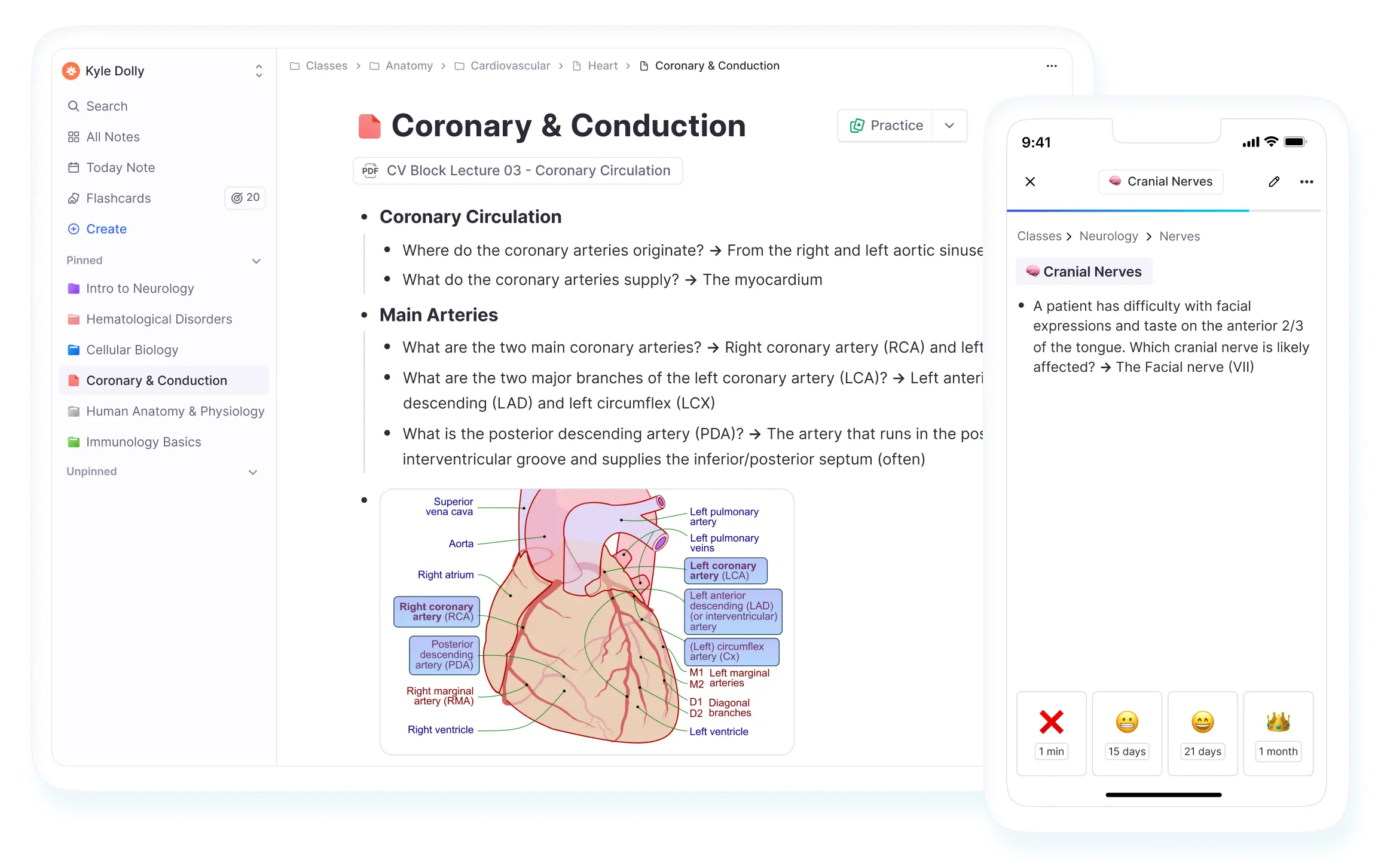
RemNote
RemNote is an AI-powered note-taking and flashcard app trusted by over 1 million students, combining rich note editing, PDF annotation, handwritten notes, and built-in spaced repetition into a single tool. Its AI can automatically generate flashcards and quizzes from your notes, PDFs, or lecture transcripts, and an Exam Scheduler personalizes your daily study plan around your test date. Backed by General Catalyst and originated at MIT, it replaces Notion, Anki, Quizlet, GoodNotes, and Acrobat in one app.
Visit RemNote - 9
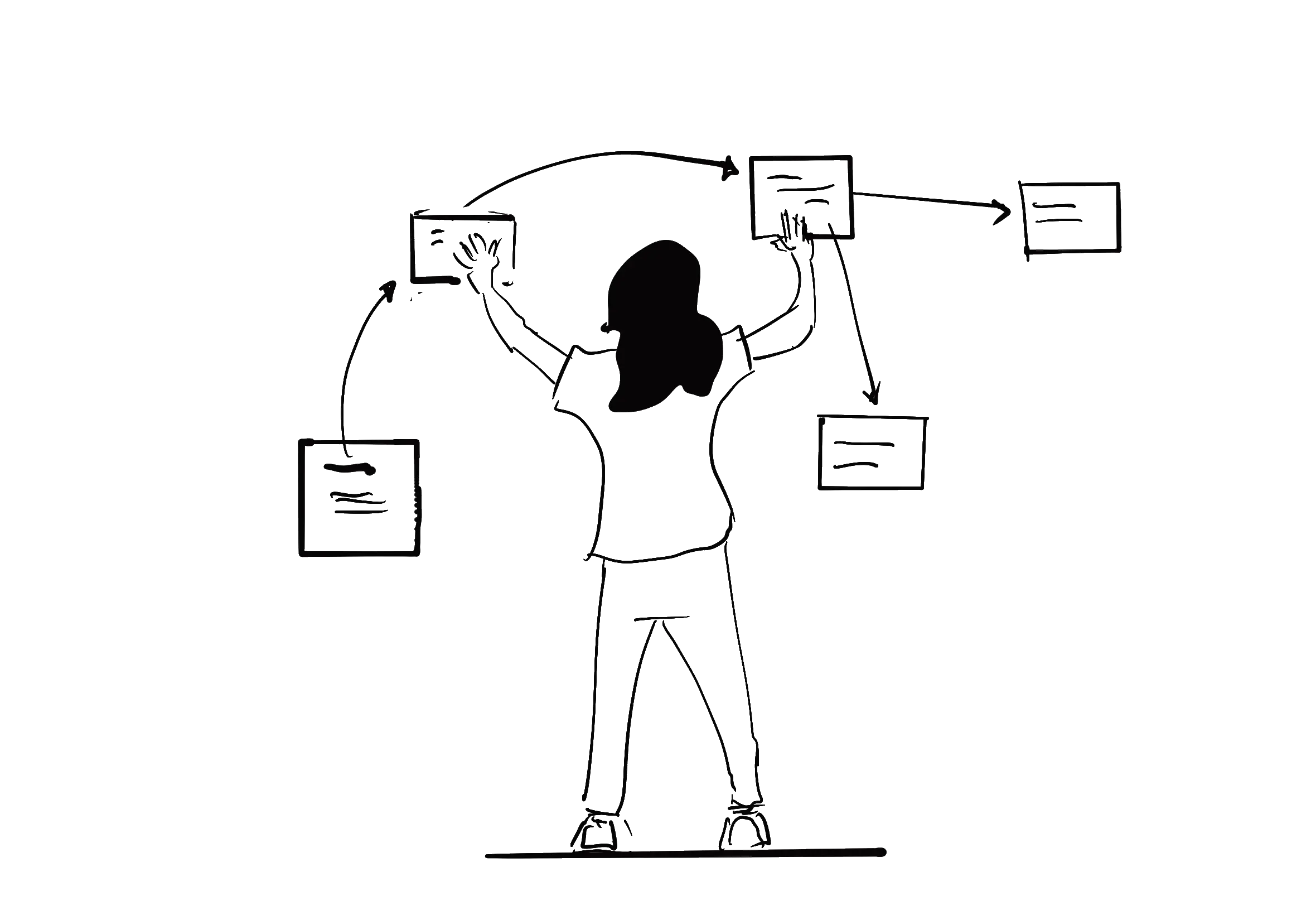
Traverse
Traverse is a science-backed learning app that combines mind mapping, connected note-taking, and spaced repetition flashcards in one place, described by users as Notion + Miro + Anki. It guides learners through a four-stage cycle — Create, Connect, Consolidate, Share — covering the full journey from ingesting new material to building unforgettable long-term memory. Used by medical students, language learners, and researchers, with Anki import supported.
Visit Traverse

Ready to try the best Rember alternative?
Linkflare goes beyond bookmarking — plan trips, share wishlists, organize recipes, and never lose a link again. Get started for free today.